
Pre-Engineered Metal Buildings in Modern Architecture
April 1, 2026 | Steel Home
At Sunward Steel, we work alongside architects and builders every day who are pushing the boundaries of what metal buildings can look and feel like. One of the questions we hear most often is some version of: can a metal building actually look good? The answer is an emphatic yes.
In this piece, originally published in the March/April 2026 issue of Metal Architecture, our president and CEO Amy Wirth breaks down why the “boxy metal building” reputation is outdated, and what it really takes to bring ambitious architectural designs to life using pre-engineered metal building systems. From early collaboration to cost-conscious iteration, Amy shares what separates a great PEMB partner from a transactional one and why it matters more than ever in today’s design environment.
From a design standpoint, a common misconception is that metal buildings are “boxy” or restrictive; however, this assumption is no longer accurate. On the contrary, architects and engineers can leverage the latest design and material innovations without compromising the speed and practicality that make metal buildings so appealing by initiating the process early and collaborating with the right pre-engineered metal building (PEMB) partners.
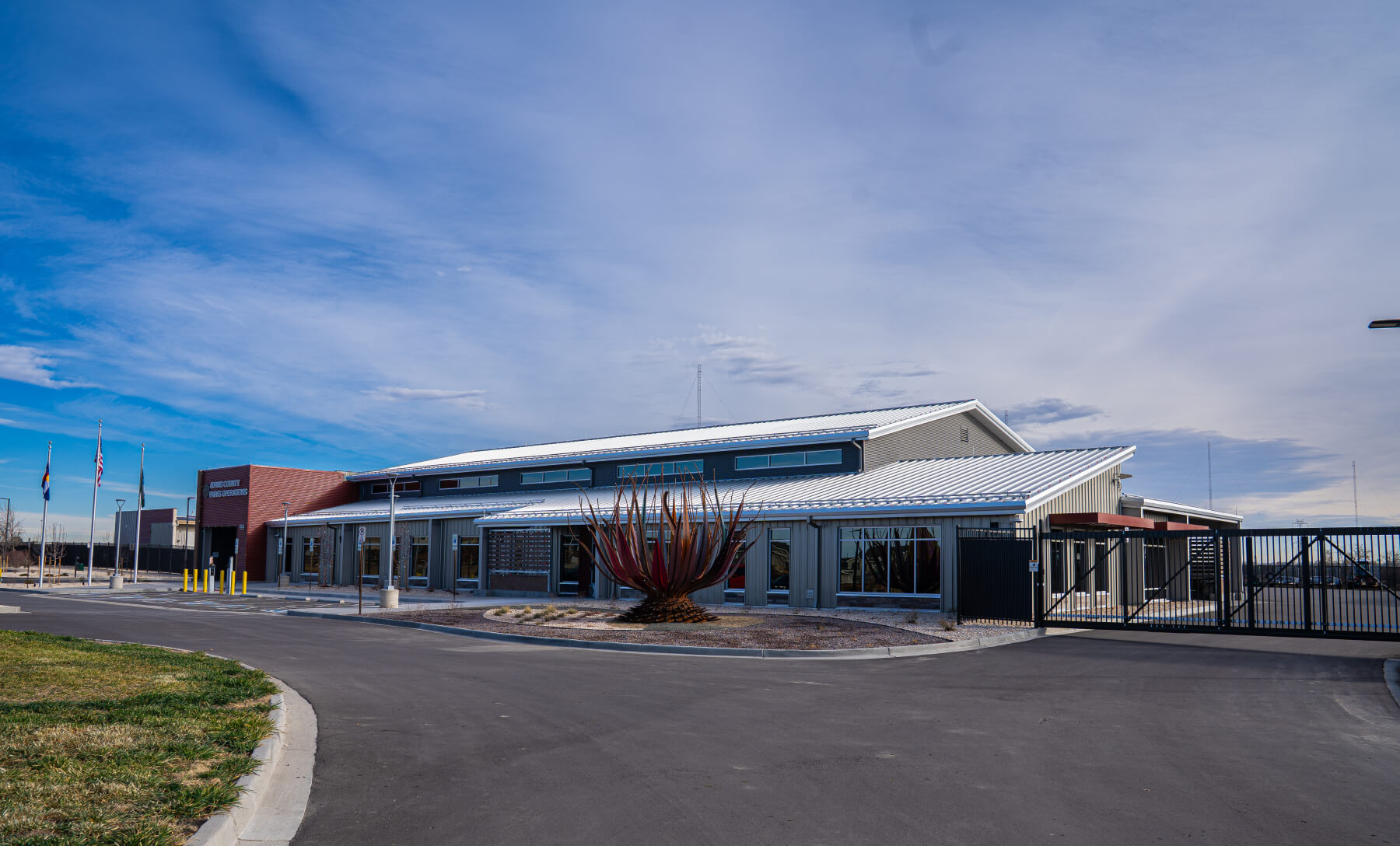
Structural advantages
PEMB systems offer numerous benefits. By nature, they are efficient and quick to fabricate, due in part to the fact that manufacturers create them using standardized steel sections under tightly controlled conditions to ensure uniformity.
PEMB components are manufactured for efficiency and precision. All parts are pre-punched, pre-drilled, cut to length, and shop-primed, allowing for immediate assembly upon arrival at the jobsite. This streamlined fabrication process reduces field labor, minimizes errors, and accelerates construction schedules.
In addition, the fabrication process can include downloading job-specific data directly from design software into automated manufacturing systems across multiple product lines. This data is electronically processed and transmitted to production equipment, eliminating manual operator input, reducing downtime, and significantly minimizing fabrication errors.
Automation programs further improve machine efficiency and reduce material scrap, which in turn helps control raw material costs and deliver greater value to the customer.
PEMB systems are also quicker to raise compared to most alternatives because they arrive on-site already partially assembled, significantly reducing construction costs. As long as the design parameters are clear and in place, PEMB systems also have predictable costs, minimizing the likelihood of unpleasant budget surprises that could potentially impact a project.
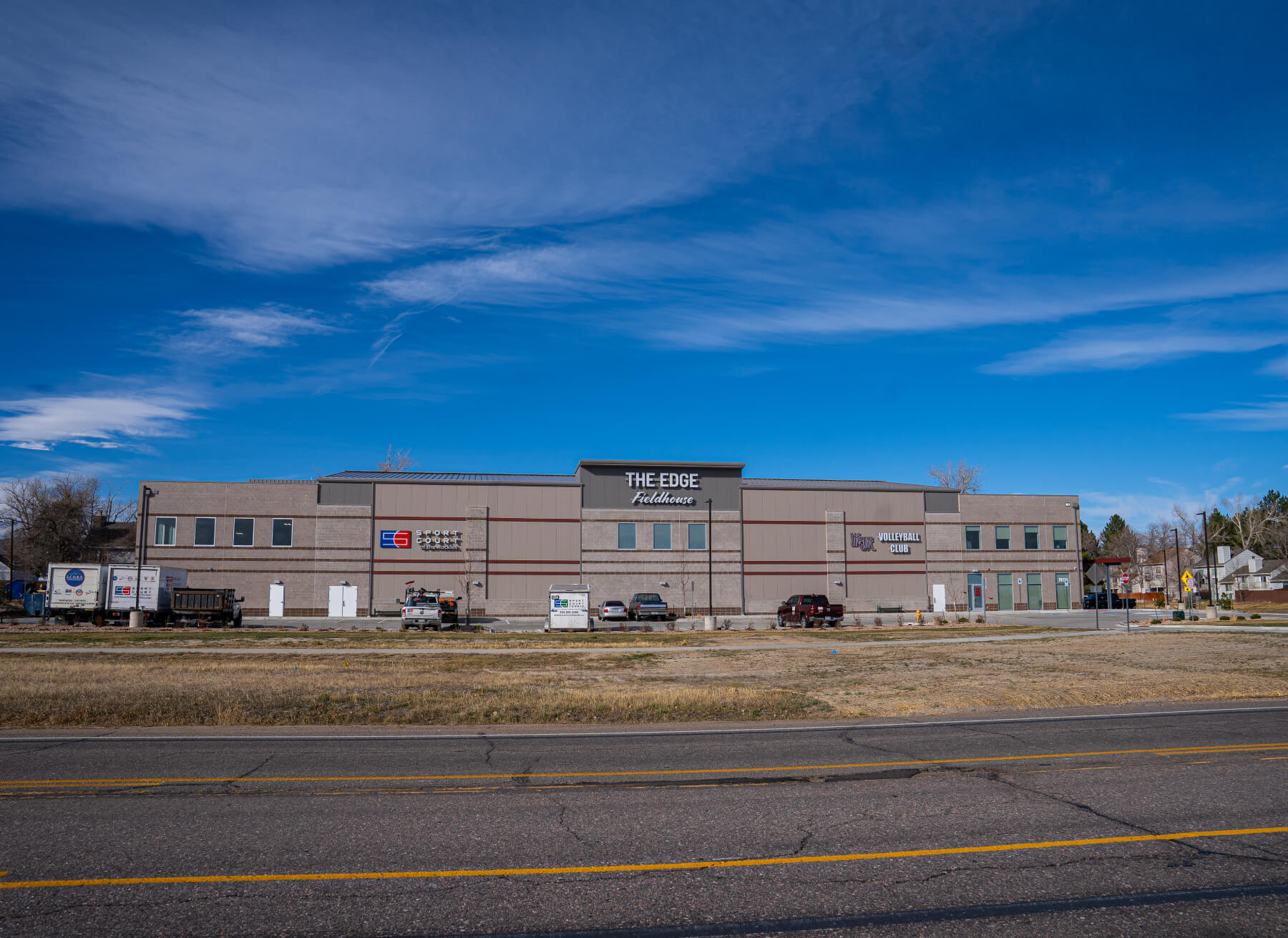
Unpacking the “box” perception
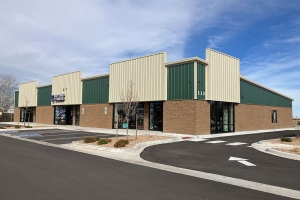
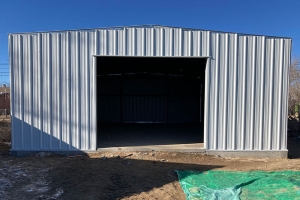
Many metal building manufacturers focus on speed and simplicity, and therefore favor clean, rectangular systems. This approach suits certain straightforward projects, such as storage and manufacturing spaces; however, it can limit flexibility and reduce the range of design options available to architects.
When manufacturers enter the scene late in the design process or focus solely on standard configurations, it can limit opportunities to explore alternatives. When this happens repeatedly, it leads to an influx of rigid, “boxy” buildings, even though other outcomes could have been feasible with earlier collaboration. When collaboration starts early on, manufacturers can have a hand in shaping the building system while the design is still in flux, enabling them to adjust rooflines, exterior features, and other elements to create an aesthetic that transcends the standard “box.”
Evolving municipal and district aesthetics
Design expectations continue to evolve in many cities and towns, with a greater emphasis on aesthetic appeal and street presentation. Roof forms, facade variations, and similar elements often come into play, becoming increasingly important aspects of the approval process.
In other words, basic metal box-style buildings no longer meet the requirements in many municipalities, making it difficult, if not impossible, to secure approval for these projects.
Complex design environments
Architects can optimize PEMB efficiencies even when design standards are more demanding, and review processes become increasingly unpredictable. The difference comes down to selecting PEMB partners that welcome iteration and engage early on, rather than locking projects into rigid solutions too soon.
When manufacturers support concept testing during early design phases, teams can explore numerous options while keeping costs manageable. This early collaboration enables architects to respond to municipal feedback, refine their design intent, and address any design constraints before they impact budgets and schedules.
Flexibility and iteration
Flexibility is critical when projects evolve. Design requirements can change as a result of zoning reviews or site conditions, requiring adaptability on the part of the PEMB partner.
Iteration, meanwhile, works well when accompanied by clear, timely information. Some PEMB partners provide structural input and budgetary feedback in real time, giving architects a chance to assess the strength of their ideas and designs without having to estimate costs or potential impacts.
Cost-effective design decisions
Virtually every design change comes with cost implications. Costs can be seen as design drivers, rather than something restrictive. It is critical for all parties involved in the design process to know how to solve steel building design problems without busting a client’s budget, and this starts with early and consistent collaboration with the PEMB partner. By working in close conjunction from the outset, teams can identify where flexibility exists (e.g. bay spacing and roof slopes) and how minor adjustments can help achieve a desired look without inflating the project’s price tag. Generally speaking, early adjustments allow for reasonably priced fixes, whereas making changes later in the game tends to come at a higher cost.
Why collaboration matters
Designing buildings today involves more moving parts than previously required, with many cities and towns now expecting more detailed documentation and buyers seeking structures that outperform and outlast those of earlier generations. Timelines and budgets are also shrinking, giving architects numerous considerations to juggle while working to preserve the original design intent.
Engaging PEMB manufacturers early on helps architects recognize possibilities, necessary adjustments, and cost variables, whereas waiting until later can limit options, making it harder to create designs that move beyond a simple “box.”
In the current design landscape, architects need PEMB partners that are available beyond the initial pricing stage. It is critical to collaborate with entities that have established themselves as trustworthy, responsive, and supportive of an architect’s design intent. The longer a PEMB partner has been in business, the more efficient it is likely to be in terms of structural designs and detailing, which means fewer surprises, clearer plans and instructions, and a smoother path from conception to completion.
PEMB partners can help architects take their designs beyond the “box” by collaborating early and often throughout the design development process. The earlier the process starts, the more time teams have to experiment with different aesthetic elements, panel and framing options, roof slopes and shapes, and material combinations, among other areas. In some cases, it may also make financial or structural sense to merge several PEMBs together into one structure, which can save space and money while reducing project complexity. On the other hand, when communication ceases after setting a price or executing a contract, this is a clear red flag and a sign that the partner is prioritizing sales over the success of the design.
True collaboration starts with steady communication between manufacturers and architecture, engineering, and design (AED) teams. When these parties maintain close contact, it fosters open dialogue. It also helps eliminate assumptions, keeping everyone involved in a particular project on the same page.
Maintaining open dialogue promotes clarity and ensures the components and assembly of PEMBs satisfy a design’s intent. Staying in close collaboration also helps all parties remain accountable for their own responsibilities, allowing creativity and practicality to come together rather than compete with one another.
The strongest PEMB partner is not one that upholds rigidity or regurgitates the same design and plan for each project. Instead, it is one that values flexibility, responsiveness, and collaboration, expressing a willingness to “move beyond the box” and create something truly striking.
This mindset distinguishes transactional suppliers from true partners, providing architects and engineers with the utmost confidence that their design intent remains intact throughout every phase of a project, from start to finish.
Publications: https://www.metalarchitecture.com/publications/de/202603/?page=41
Amy Wirth is the president and CEO of Sunward Steel Buildings, Inc., and has more than a 25-year history in the steel fabrication industry. She joined the family business immediately after college as an administrative assistant and has since risen through the ranks, becoming president and CEO in 2018. A trusted, knowledgeable industry leader, Wirth is fluent in all aspects of business operations, from fabrication and operations to freight management and customer relations. To learn more, follow Sunward Steel at https://www.linkedin.com/company/sunward-corp/ and Wirth at https://www.linkedin.com/in/amy-wirth-83855a116/.
Request A Quote Today
"*" indicates required fields
See Some of Our Latest Projects



 6800 E. Hampden Ave.

